For most owners, allowing pets in your Corona del Mar rental is worth considering. It can bring you more qualified applicants and longer tenancies, as long as you set clear rules, screen carefully and put everything in writing. A well-written pet policy protects your home while keeping the door open to a large share of renters.
If you’re getting ready to rent out your Orange County home, the pet question usually comes up early. Below is how to weigh it, what to put in place and where to be careful.
What Are the Benefits of Accepting Pets?
Many renters have a dog, a cat or both, and plenty of them struggle to find a place that says yes. When you accept pets, you’re open to a wider group of applicants, which can mean less time between tenants.
Tenants with pets also tend to value a home that welcomes them. A renter who has found a good fit for their whole household often has little reason to move, and fewer turnovers means fewer vacant weeks and less repainting and cleaning between leases.
Corona del Mar is a walkable, outdoorsy community, and many residents want to bring their pets along. A pet-friendly policy can suit that lifestyle, especially for a home with a yard, a patio or easy access to nearby walking routes.
What Are the Risks to Your Home?
Pets can cause wear that goes beyond normal use. Scratched floors, chewed trim, stained carpet, damaged screens, odors and landscaping damage are the usual concerns. Dogs tend to be harder on a yard, and cats on window coverings and flooring.
There is also the liability side. If an animal injures someone, you could be drawn into the situation as the owner of the property. That’s why your insurance and your lease language matter as much as your tenant choice.
None of these risks is a reason to refuse pets automatically. They are reasons to plan, document the home’s condition and choose tenants thoughtfully.
What to Know Before You Set Your Pet Policy
Start with the rules that already apply to your property. If your home is part of an association, read the governing documents and confirm what they say about animals. Then call your insurance agent and ask whether your landlord policy has any restrictions or exclusions related to pets or certain breeds.
Next, understand the legal line between pets and assistance animals. Under fair housing rules, service animals and emotional support animals are generally treated differently from pets, and a "no pets" policy doesn’t necessarily apply to them the same way. Requests for these animals should be handled carefully, so check with a qualified attorney before you respond or deny anything.
Also keep in mind that California has rules about security deposits and what you can charge a tenant. Don’t assume a pet deposit or pet fee is allowed in any amount you choose. Confirm the current requirements with an attorney or a trusted professional before you finalize your lease terms.
Finally, decide what you’re comfortable with. You might allow cats only, accept small dogs, set a limit on the number of animals, or consider each application individually. Your property’s layout, flooring and outdoor space should guide that choice.
How Do You Screen Tenants With Pets?
Screen the pet as well as the person. Ask for the type of animal, its age, its size and how long the tenant has had it. Request references from a previous landlord that speak to how the tenant and the animal treated the home.
A short meeting or photos can help you understand the animal’s size and care. Ask about vaccinations and licensing as appropriate, and ask how the animal is handled when the tenant is out all day.
Applicants should be screened with the same consistent process you use for everyone: income, credit, rental history and references. Consistency matters, and an attorney can tell you what questions are appropriate to ask.
If you’d rather not handle this yourself, Dean helps owners with tenant screening and lease preparation, and he can walk you through the process. Owners who want ongoing support after move-in can also look into Corona del Mar property management to have someone handle day-to-day questions, inspections and tenant communication.
What Should a Pet Addendum Include?
A pet addendum is a section of the lease, or a separate signed document, that spells out exactly what’s allowed. It gives you something specific to point to if a problem comes up. Have an attorney review your lease language so it matches current California requirements.
Here’s a checklist of items to consider:
- A description of each approved animal, including type, breed, size and age
- The number of animals allowed
- Rules for waste cleanup, noise and keeping animals under control
- Tenant responsibility for damage caused by the animal
- A requirement to keep the animal licensed and vaccinated
- Proof of renter’s insurance, ideally with liability coverage
- A statement on what happens if an unapproved animal moves in
Document the home’s condition with dated photos before move-in. That makes it much easier to separate normal wear from damage when the lease ends.
Do Furnished Rentals Need Different Pet Rules?
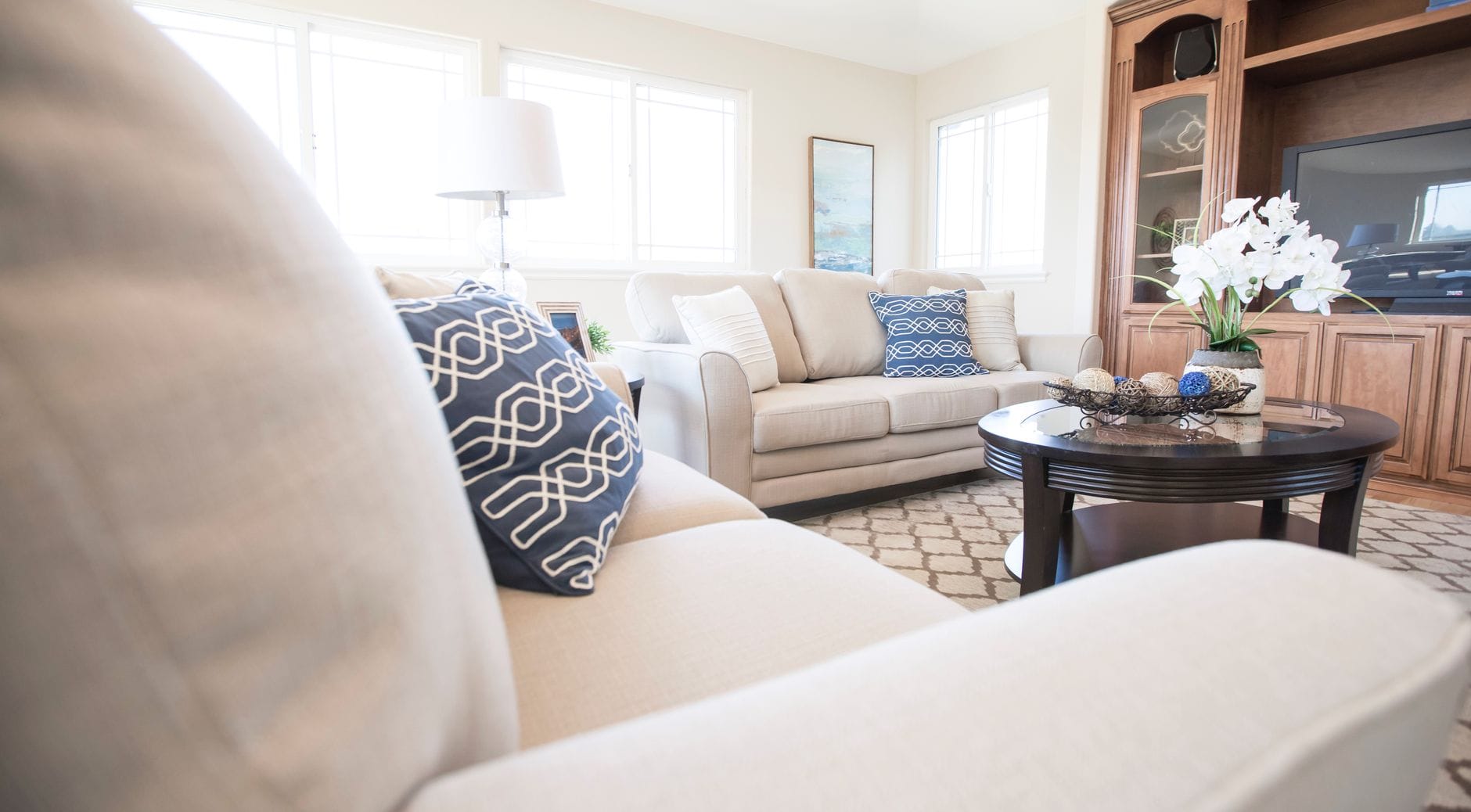
They often do. A furnished home has upholstery, rugs, bedding and decor that can be harder to clean or replace than bare floors and walls. Many owners of furnished homes choose to limit pets or not allow them at all, particularly for shorter stays.
If you do allow pets in a furnished home, consider protective measures. Washable covers, durable materials and a detailed inventory can help, and your lease should say clearly who is responsible for cleaning and damage. Longer-term tenants are generally easier to vet than short-stay guests.
If you’re thinking about short-term stays, rules, permits and taxes vary and change over time. Confirm current requirements with the City of Newport Beach, which includes Corona del Mar, and speak with a qualified professional before you commit to a plan.
Is a Pet-Friendly Policy Right for Your Home?
It depends on your property, your comfort level and your goals. A home with durable flooring and a secure yard may suit a pet-friendly approach well. A freshly renovated home with delicate finishes may call for tighter limits.
Looking at Corona del Mar homes and how renters use them can help you see what your property offers. Think about who is likely to live there and what would make them stay.
If you’d like help weighing the decision and putting a clear policy in place, reach out to Dean. He can talk through your home, your timeline and whether a pet-friendly lease makes sense for you.
Frequently Asked Questions
Can a landlord in Corona del Mar say no to pets?
In general, owners can set a no-pets policy for ordinary pets, subject to any applicable association rules and the law. Service animals and assistance animals are treated differently under fair housing rules, so talk with an attorney before denying a request involving one.
Can I charge a pet deposit or pet rent in California?
California has rules about security deposits and what landlords can collect, so the answer depends on current law and how your lease is structured. Confirm what’s allowed with an attorney or another qualified professional before you set any pet-related charges.
Does allowing pets affect my landlord insurance?
It can. Some policies have conditions or exclusions related to animals, and certain breeds may be treated differently. Call your insurance agent before you finalize your pet policy and ask what’s covered.
What should be in a pet addendum to a lease?
A good pet addendum identifies each approved animal, sets a limit on the number of animals and explains the tenant’s responsibility for damage, cleanup and noise. It should also address licensing, vaccinations and insurance. Have an attorney review it so it matches current requirements.
Have questions about Corona del Mar? Dean Nunis helps buyers, sellers, renters and property owners across Orange County. Explore Corona del Mar real estate or reach out anytime.
Get a Rent Estimate Contact Dean Nunis
Dean Nunis, REALTOR® | DRE #02301463 | Main Beach Realty, DRE #01375110 | (949) 627-7504