What to put in a lease for your Laguna Beach home comes down to clear terms on rent, security deposit, lease length, who can live there, maintenance, and house rules, plus any disclosures California requires. A good lease leaves very little to interpretation. It spells out who pays for what, who fixes what, and what happens if something goes wrong.
If you’re thinking about how to rent out your Laguna Beach home, the lease is where your decisions become enforceable. Your rent, your expectations for the property, and your protections all live in that document. Here’s how to approach it, whether you’re offering a long-term or a furnished rental.
What Should Every Laguna Beach Lease Include?
Start with the basics, and make sure none of them are vague. A solid residential lease names every adult tenant and the exact property address. It also states the start and end dates, the rent amount, the due date, and the accepted payment methods.
Beyond those, most owners want to cover these items:
- Rent, due date, late-payment terms, and how rent is paid
- Security deposit terms and how it will be handled at move-out
- Lease term and what happens when it ends (renewal, month-to-month, or move-out)
- Who may occupy the home and rules on guests and subletting
- Maintenance responsibilities, utilities, and how repair requests are made
- Required disclosures and any property-specific addenda
Treat that list as a starting point. California has detailed rules about deposits, notices, and disclosures, and they can change. Have an attorney or a current, reputable lease form confirm what applies to your situation.
How Do You Set Rent, Deposit, and Payment Terms?
Pricing the rent is part market research, part judgment. Look at recently leased homes similar to yours in size, condition, and location, not just what owners are asking. A home a few blocks from the water in Laguna Beach can lease very differently from one up a hillside canyon road, even at a similar size.
Once you have a number, the lease should state it plainly, along with when it’s due and how it’s paid. Spell out any late fee in a way that’s consistent with California law, and ask your attorney to confirm it.
The security deposit needs the same care. California limits how much you can collect and sets rules for returning it, so don’t guess. Your lease should say what the deposit covers, and you should document the home’s condition at move-in with photos and a signed checklist. That record is your best protection when the tenant moves out.
What to Know Before Setting Pet, Smoking, and Occupancy Rules
These are the house rules that tenants ask about first, so decide your position before you list. If you allow pets, the lease should describe what’s permitted, who is responsible for damage, and any added terms. Keep in mind that service animals and assistance animals are treated differently under fair housing law, so check with an attorney before writing a blanket restriction.
Smoking is easier to address. Many owners prohibit it inside the home and on balconies and decks. Say exactly where, if anywhere, it’s allowed.
Occupancy should also be explicit. The lease should list who is allowed to live in the home and set expectations for long-term guests. It should also say whether subletting is allowed. In a coastal town like Laguna Beach, where short-term vacation rentals are common, a clear no-subletting and no-short-term-rental clause is especially useful. Short-term rental rules are set by the city and can change, so confirm current requirements with the City of Laguna Beach or a qualified professional.
Who Handles Maintenance, Utilities, and Yard Care?
Disputes often start here, so be specific. Spell out which utilities the tenant puts in their name and which, if any, you cover. Then explain how repair requests should be submitted and what counts as an emergency.
Think through the details particular to your property:
- Landscaping and irrigation: who maintains them, and to what standard?
- Salt air and coastal wear: who handles upkeep on exterior metal, decks, and windows near the ocean?
- Hillside homes: are there drainage areas, retaining walls, or stairs that need regular attention?
- Parking: how many vehicles, and where, especially on narrow streets with limited space?
- Appliances: which ones are included, and who repairs or replaces them?
Written clearly, these terms keep small issues from becoming arguments. If you’d rather not be the person fielding repair calls, this is where professional property management can take a lot off your plate.
What to Put in a Lease for a Furnished Home
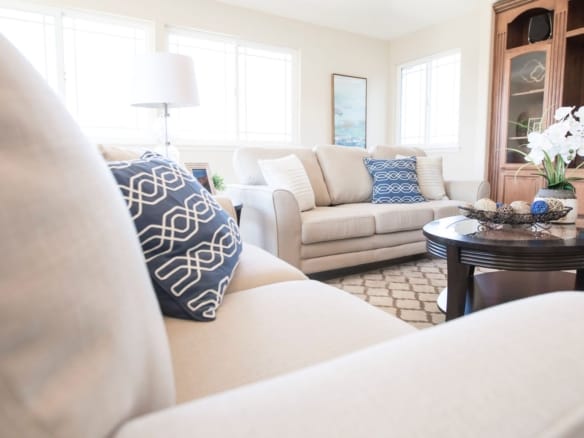
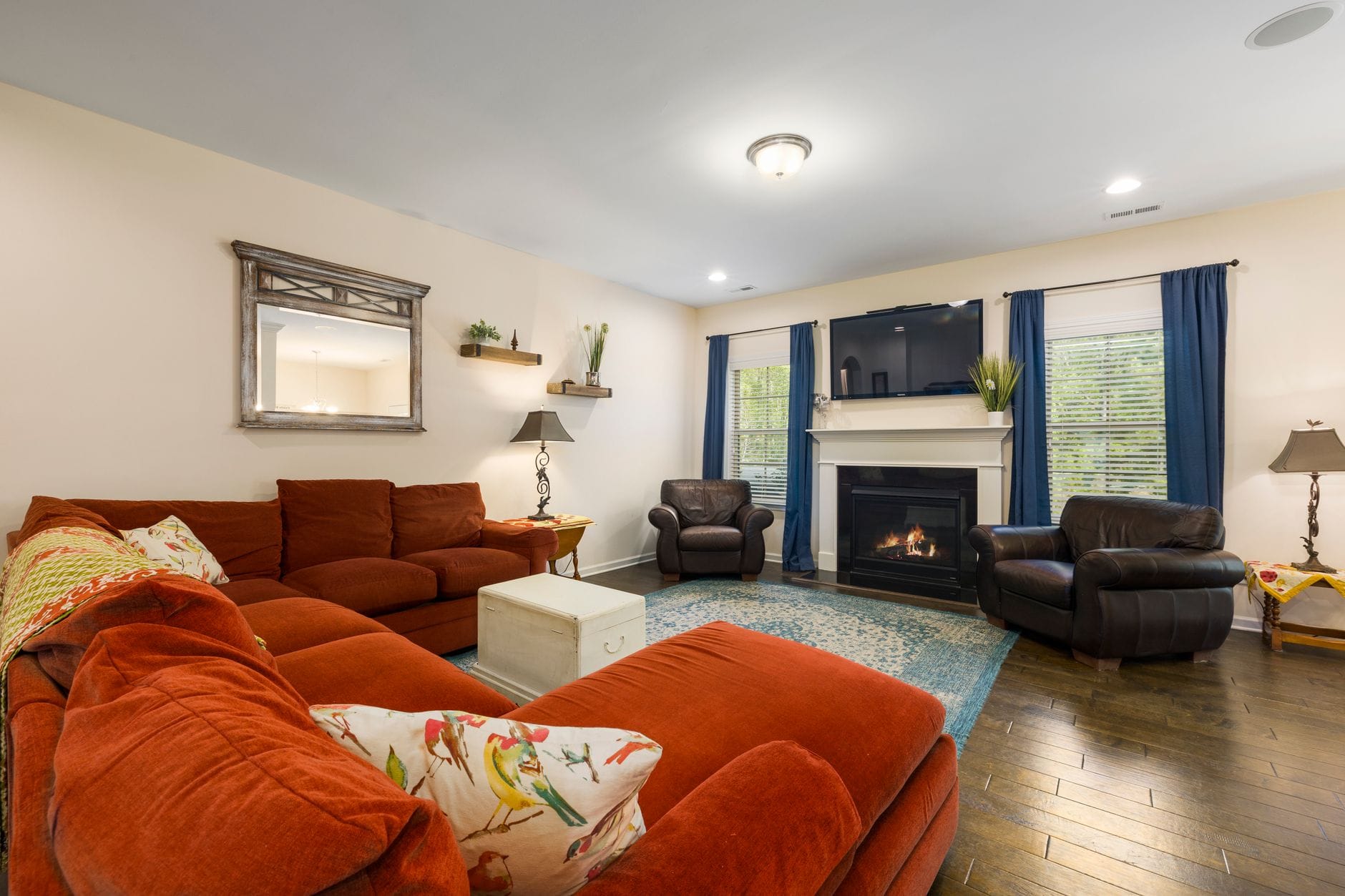
A furnished lease needs everything above, plus a few extras. Attach a detailed inventory of the furniture, décor, housewares, and electronics, ideally with dated photos. Note the condition of each major item so there’s no confusion later.
Then address how the furnishings are treated. Say what the tenant may and may not move, whether anything is off-limits, and who pays for wear beyond normal use. If the home includes outdoor furniture, a grill, or a hot tub, describe who maintains it and what the tenant should avoid.
Furnished rentals also raise the question of lease length. Be clear about the minimum term and whether the stay is a true long-term lease or something shorter. The legal and tax treatment can differ depending on how long a tenant stays, so check with a CPA or attorney before you decide. Dean can help you think through the practical side of furnished leasing, including how to present a furnished home and what to include in the inventory.
What to Know Before You Sign Anything
A lease is only as strong as the process behind it. Before you hand over keys, make sure you’ve done the following:
- Screened the applicants consistently, using the same criteria for everyone
- Provided every disclosure California requires for your property (older homes may have additional ones)
- Completed a move-in inspection with photos and a signed condition report
- Confirmed insurance coverage with your own agent, and considered whether to require renter’s insurance
- Checked for any HOA rules that affect leasing, such as minimum terms, tenant registration, or parking
That last point matters if your home is in a community with an association. Your HOA documents may restrict what you can put in a lease, so read them first. Then have your lease reviewed by an attorney who handles California residential rentals. This post is general information, not legal or tax advice, and a short review is inexpensive compared with the cost of a preventable dispute.
Make the Lease Work for Your Home
Every home is a little different, and the best leases reflect that. A cottage near the village has different needs than a view home with a pool, and both differ from a condo. If you want to understand how your home fits into the wider market, it helps to know the neighborhood. Browsing Laguna Beach homes can give you a feel for how properties differ from one part of town to another. When you’re ready to talk through your lease terms, reach out to Dean for a second look.
Frequently Asked Questions
What are the most important things to put in a lease for a Laguna Beach home?
Cover the essentials: the names of all adult tenants, the property address, the lease start and end dates, the rent amount and due date, security deposit terms, who may occupy the home, maintenance responsibilities, and required California disclosures. Add property-specific terms for things like parking, landscaping, and coastal or hillside upkeep.
Can I prohibit short-term rentals and subletting in my lease?
Many owners include a clear no-subletting and no-short-term-rental clause, which can be especially helpful in a coastal town where vacation rentals are common. Short-term rental rules are set by the city and can change, so confirm current requirements with the City of Laguna Beach or a qualified professional.
What extra terms does a furnished home lease need?
A furnished lease should include a detailed inventory of the furnishings, ideally with dated photos and notes on the condition of major items. It should also explain what the tenant may and may not move, who maintains items like outdoor furniture or a hot tub, and who pays for wear beyond normal use.
Should an attorney review my lease before I use it?
Yes. California has detailed rules about deposits, notices, disclosures, and fair housing, and they can change. An attorney who handles California residential rentals can confirm your lease fits current requirements. This post is general information, not legal or tax advice.
Have questions about Laguna Beach? Dean Nunis helps buyers, sellers, renters and property owners across Orange County. Explore Laguna Beach real estate or reach out anytime.
Get a Rent Estimate Contact Dean Nunis
Dean Nunis, REALTOR® | DRE #02301463 | Main Beach Realty, DRE #01375110 | (949) 627-7504