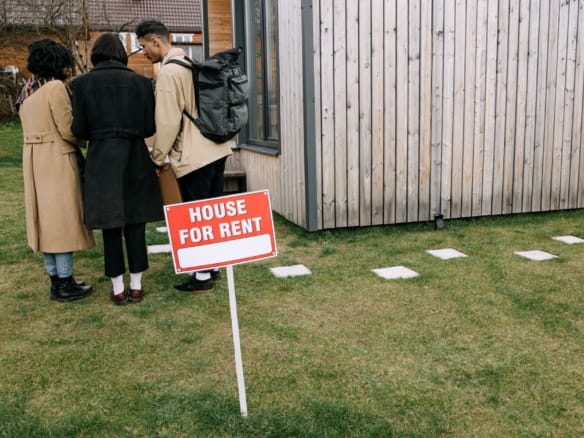
Move out inspections for Laguna Beach rentals are a walk-through of the property, usually just after the tenant has vacated and returned the keys, to compare its condition against the move-in record. You room-by-room note damage, cleaning needs, and anything beyond normal wear, then use that record to decide what happens with the security deposit. Done well, it is the single best way to protect your property and avoid disputes.
Many owners treat the inspection as a quick look around. In practice, it is a documented process that starts well before the tenant leaves and ends only when the unit is ready for the next person.
If you would rather not manage every step yourself, Laguna Beach property management can handle the scheduling, paperwork, and follow-up. Whichever way you go, the principles below apply.
What Is a Move Out Inspection, and Why Does It Matter?
A move out inspection is a structured comparison. You are checking the home as it is today against how it looked when the tenant moved in, using your move-in report and photos as the baseline.
It matters for three reasons. First, it tells you what repairs and cleaning are needed before you can re-rent. Second, it supports any deductions you make from the deposit. Third, it creates a clear record if a tenant disagrees with your accounting.
Without a baseline, the inspection turns into your word against theirs. With one, it is mostly a matter of matching photos to what you see.
What to Know Before the Tenant Hands Back the Keys
The work starts before move-out day. California has rules about notifying tenants of their right to a pre-move-out walk-through, which lets them see what you might charge for and fix issues themselves. The details of notice, timing, and deposit accounting are set by state law and your lease, so confirm current requirements with a qualified attorney or a property manager who works with them regularly.
A few practical steps help:
- Send written move-out instructions that explain cleaning expectations, key return, and forwarding address.
- Offer the pre-move-out walk-through in writing and keep a copy of the notice.
- Pull your original move-in report and photos so they are ready to compare.
- Confirm in writing the date the tenant will be out and the keys returned.
Tenants who know what to expect tend to leave a cleaner, better-kept home. That is a good reason to be clear and friendly early on.
What Should a Move Out Inspection Checklist Include?
Work through the home in the same order each time so nothing gets skipped. Take photos or video as you go, not afterward.
- Walls, ceilings, and paint: holes, marks, stains, and signs of past leaks
- Flooring: stains, scratches, pet damage, and carpet condition
- Kitchen: appliances, cabinets, counters, and under-sink areas
- Bathrooms: caulking, grout, fixtures, ventilation, and any moisture or mold signs
- Windows, doors, screens, and locks: do they open, close, and secure properly?
- Exterior and outdoor spaces: patios, decks, landscaping, and trash areas
Also test the basics, such as smoke and carbon monoxide alarms, light fixtures, and the thermostat. Note any items left behind and check that all keys, remotes, and garage openers came back.
How Do You Tell Normal Wear From Tenant Damage?
This is where most disagreements start. Generally, normal wear and tear is the gradual aging that comes from ordinary living, such as faded paint, light carpet wear, or minor scuffs. Damage is something beyond that, such as large holes, burns, broken fixtures, or heavy stains.
Age matters. A carpet that is already several years old has less value left than a new one, and that affects what is reasonable to charge. Keep records of when major items were installed or last replaced.
When in doubt, think about whether a typical tenant living in the home responsibly would have caused it. If the answer is yes, it is probably wear and tear. For anything borderline, ask a qualified professional before deducting.
What Do Coastal Homes Need a Closer Look At?
Laguna Beach rentals face conditions that inland homes often do not. Salt air, humidity, and sun can be hard on metal fixtures, window tracks, exterior finishes, and outdoor furniture. Moisture in bathrooms and closets can show up as mildew if ventilation is neglected.
During your inspection, check windows and sliding doors for corrosion or sticking, and look at ceilings and walls near bathrooms for staining or soft spots. Walk outdoor areas, including patios, railings, and drainage, since those take a beating near the coast.
Many Laguna Beach properties also have older construction, unusual layouts, or multiple levels. Take your time with those, because small issues can hide in corners that are easy to overlook. If you are curious about the broader market for Laguna Beach homes, Dean can talk through how condition and upkeep fit into long-term value.
How Should You Document the Condition of the Property?
Good documentation is the difference between a quick, calm resolution and a drawn-out disagreement. Use dated photos and video, and capture wide shots of each room along with close-ups of any problem areas.
Write notes while you are still in the room. Be specific, such as "two nail holes on the north wall" rather than "wall damage." Compare each note to your move-in report, and keep everything together in one file for the tenancy.
If repairs or cleaning are needed, save invoices and receipts. These support any deductions and make your itemized accounting much easier to prepare. Remember that deposit rules and deadlines are set by California law, so check with an attorney if you are unsure.
What Happens After the Inspection?
Once you have your findings, move through them in order. Schedule repairs and cleaning promptly, prepare the itemized accounting of the deposit, and send it with any remaining funds according to the timeline the law and your lease require.
Then use what you learned. If you saw the same issue in several units or tenancies, such as a failing caulk line or a worn door, fix the root cause. Your move out notes can guide upgrades, improve your next lease, and inform your maintenance schedule.
Many owners find it easier to hand this process to a manager who handles inspections, maintenance coordination, and renewals in one system. If you are weighing options, you can read about property management across Orange County or reach out to Dean directly. Dean Nunis manages residential rentals with Main Beach Realty and can walk you through how a consistent inspection process would work for your property in Laguna Beach.
Frequently Asked Questions
When should a move out inspection happen?
Typically after the tenant has moved out and returned the keys, with an optional pre-move-out walk-through offered earlier. California law has specific notice requirements for that earlier inspection, so confirm the current rules with an attorney or an experienced property manager.
Do I need to be there for the inspection?
Not necessarily, but someone should do it who knows what to look for and can compare the home to the move-in record. Owners often delegate this to a property manager so the process stays consistent and well documented.
What is the difference between normal wear and tear and damage?
Normal wear is the gradual aging that comes from ordinary living, such as faded paint or light carpet wear. Damage goes beyond that, such as large holes, burns, or broken fixtures. The age and condition of the item also matter when deciding what is reasonable to charge.
What records should I keep after a move out inspection?
Keep your dated photos or video, written notes, the move-in report, repair invoices, and any communication with the tenant. Together they support your deposit accounting if questions come up later.
Have questions about Laguna Beach? Dean Nunis helps buyers, sellers, renters and property owners across Orange County. Explore Laguna Beach real estate or reach out anytime.
Explore Laguna Beach Property Management Contact Dean Nunis
Dean Nunis, REALTOR® | DRE #02301463 | Main Beach Realty, DRE #01375110 | (949) 627-7504